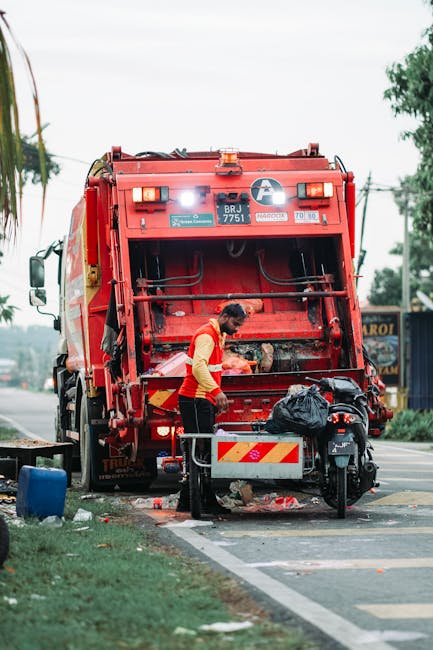
Hayes and Harlington station rubbish removal access tips: a practical local guide
If you are trying to organise rubbish removal near Hayes and Harlington station, the biggest headache is often not the waste itself. It is access. Tight streets, traffic at awkward times, limited stopping space, station activity, and a bit of local congestion can turn a simple collection into a slow, frustrating job. These Hayes and Harlington station rubbish removal access tips are here to help you plan ahead, avoid delays, and choose the right removal method without making life harder than it needs to be.
Whether you are clearing a flat, handling a small renovation, emptying a garage, or sorting business waste near the station, the smartest approach is usually the same: measure the access properly, match the service to the site, and make loading as smooth as possible. Sounds obvious, maybe. But in practice, people miss the small stuff all the time.
In this guide, we will walk through what matters, how rubbish removal works in a busy station area, what to watch out for, and when to choose skip hire, wait-and-load, grab hire, or a man-and-van style collection. You will also find a checklist, a simple comparison table, and a few real-world pointers that can save you time on the day.
- Why access matters near Hayes and Harlington station
- How rubbish removal access planning works
- Benefits of getting access right
- Who this is for
- Step-by-step guidance
- Expert tips for smoother collections
- Common mistakes to avoid
- Tools, resources and recommendations
- Law, compliance and best practice
- Options and comparison table
- Case study example
- Practical checklist
- Conclusion
- Frequently asked questions
Why Hayes and Harlington station rubbish removal access tips Matters
Access is the difference between a quick clearance and a job that drags on. Around a station, every part of the process can be affected by timing, road layout, parked cars, pedestrians, delivery vehicles, and how far waste has to be carried. If a collection vehicle cannot stop safely, or cannot get close enough to the property, everything becomes slower and sometimes more expensive.
That is especially true near transport hubs where streets often feel busier than they look on a map. You might have a short walking distance, but if a bulky item has to be carried through a narrow alley, down steps, or across a shared forecourt, the practical job changes completely. To be fair, that is where many quote mismatches happen: the customer thinks in terms of distance, while the operator is thinking about loading time, safety, and vehicle access.
Good access planning also matters because waste removal is usually a same-day or tightly scheduled service. If the site is not ready, the crew may need to wait while someone unlocks a gate, moves a car, or clears the route. One five-minute delay can become twenty. Add a few of those and the day starts to unravel a bit.
For residents and businesses near Hayes and Harlington station, access tips are not just convenience advice. They are a simple way to reduce disruption, keep neighbours happier, and make sure the waste is removed in one efficient visit rather than a messy second attempt.
How Hayes and Harlington station rubbish removal access tips Works
The basic process is straightforward. You assess the site, choose the right waste removal method, confirm vehicle access, prepare the waste, and then schedule the collection at a sensible time. The better the access information, the more accurately the service can be planned.
In practice, a rubbish removal company will usually want to know a few things before they arrive:
- How close the vehicle can get to the waste
- Whether there are stairs, lifts, gates, or narrow passages
- If there is room to load directly from the kerb or driveway
- Whether parking restrictions or permits may affect stopping time
- How bulky, heavy, or awkward the items are
- Whether the waste includes items needing special handling, such as appliances or confidential material
If the waste can be loaded quickly from a driveway or front forecourt, a standard collection may be enough. If access is tighter, a wait and load skip hire arrangement can be a smart alternative, because the vehicle stays only as long as needed while you load the waste. For larger, heavier, or loose waste, grab hire services may be more efficient, especially where the material can be lifted over a wall, hedge, or front boundary without complicated manual carrying.
If you are dealing with a house clearance, garage contents, or a mixed domestic load, it is worth comparing the access against a standard collection and a domestic skip hire option. Sometimes the skip is the easiest answer. Sometimes it is absolutely not. The trick is matching the method to the site, not the other way around.
And yes, if your access is awkward, that does not mean the job is doomed. It just means the planning needs to be a little more honest.
Key Benefits and Practical Advantages
Getting the access right brings benefits that are obvious once you have seen both versions of a job: the smooth one and the chaotic one.
- Faster collections: less time spent moving waste long distances or waiting for doors, gates, or parking spaces to be sorted.
- Lower risk of damage: fewer tight turns, fewer awkward lifts, and less chance of knocking walls, railings, or vehicles.
- Better pricing clarity: the more accurate the access details, the less likely you are to be surprised by extra time or a service change.
- Less disruption to neighbours: a tidy, well-timed collection is less noisy and less intrusive.
- Safer handling: crews can plan around steps, slopes, and heavy items instead of improvising mid-job.
- Cleaner site finish: a properly loaded vehicle or skip leaves the area neater and reduces the chance of missed waste at the end.
There is also a planning advantage. Once you understand the access, you can choose related services more confidently. For example, if you are clearing builders' debris, you might look at builders skip hire or builders waste removal. If the job is a full strip-out or a site tidy-up, site clearance or construction waste clearance may be more suitable.
One practical benefit people overlook is stress reduction. When the collection method fits the access, you are not standing around at 8:30 in the morning wondering whether the lorry can even turn in. That sort of certainty is worth a lot.
Who This Is For and When It Makes Sense
These access tips are useful for a wide range of people, not just anyone doing a full renovation. In and around Hayes and Harlington station, the need often comes up in ordinary, everyday situations.
- Homeowners and tenants: clearing old furniture, loft clutter, broken appliances, or post-move rubbish.
- Landlords and letting agents: getting a property ready between tenancies, especially where access is through shared entrances or narrow side paths.
- Tradespeople: removing renovation waste, timber, plasterboard, or packaging without causing delays on a busy street.
- Offices and local businesses: clearing desks, confidential waste, storage rooms, or redundant fittings.
- Builders and site teams: needing regular waste removal that works around road space, delivery schedules, and pedestrian flow.
It makes particular sense when the route to the waste is not simple. That could mean a first-floor flat, a rear garden without rear access, a shared driveway, or a building where the loading point is several metres away from the street. It also makes sense if you are dealing with time pressure and want a single trip solution.
For example, if a small office near the station is upgrading furniture, office clearance can be a better fit than trying to piece together random collections. If a family home needs a full reset after years of accumulation, house clearance may save far more effort than hiring a vehicle and doing multiple runs yourself. Truth be told, most people only realise that after they have started lifting the first wardrobe.
Step-by-Step Guidance
Here is a simple process that works well for local rubbish removal jobs near the station.
- Walk the route from the waste to the vehicle point. Do not just look at the front door. Check gates, steps, narrow corners, low branches, bins, and any parked cars that could block the path.
- Measure the usable space. You do not need a tape measure for everything, but you should know whether a skip, van, or lorry can stop safely and whether doors can open fully.
- Decide what type of service fits best. If the waste is loose and bulky, a skip may work. If access is tight and timing is important, rubbish removal or wait-and-load might be easier. For heavy rubble or soil, a specialist service may be the cleaner choice.
- Separate the load before collection day. Keep recyclable items, appliances, wood, garden waste, and general rubbish apart where possible. This makes loading quicker and helps avoid mistakes.
- Check whether any items need special handling. Fridges, freezers, mattresses, confidential paperwork, and anything hazardous should be identified in advance.
- Clear the access route. Move cars, bins, bikes, and loose items. If there is a communal entrance, let people know the route needs to stay open.
- Send photos if requested. A few good photos of the waste and the access point are often more helpful than a long explanation. One picture of the narrow gate says more than a paragraph ever could.
- Stay available on the day. If there is a gate code, concierge desk, or loading bay timing rule, make sure someone can answer the phone. Five minutes matters here.
If you are unsure whether a skip is suitable, the page on what can go in a skip is a useful reference before you book. It is especially handy for mixed waste, because the wrong load can create delays and headaches nobody wants.
Expert Tips for Better Results
Small details make a surprisingly big difference. In our experience, the best collections near station areas are rarely the ones where everything is perfect. They are the ones where the awkward bit was thought through early.
1) Think like the vehicle driver
Ask yourself: can a medium-sized lorry, van, or skip vehicle stop without blocking a junction or forcing a risky reverse? Can it pull away cleanly afterwards? If the answer feels uncertain, do not assume it will be fine on the day.
2) Protect the walking route
If items need to be carried from a rear yard or upper floor, make the route as clean and direct as possible. A slippery step or a cluttered hallway might not look dramatic, but it can slow everything down, especially when the weather is damp and grey, which, let us face it, happens quite a bit.
3) Use the right disposal method for the load
For heavier mixed construction waste, a grab lorry hire option may be more efficient than manhandling waste to a roadside skip. For office items or furniture, a man and van service can be the simpler choice. And if you need the vehicle in and out quickly, same day skip hire can help when time is tight.
4) Ask about enclosed or lockable options where needed
Near public routes, shared courtyards, or places where waste might sit overnight, an enclosed and lockable skip hire option can improve security and reduce the chance of fly-tipping or tampering. That matters more than people think.
5) Do not ignore the return journey
Access is not only about getting the waste out. It is also about how the vehicle leaves. A collection that can enter but not exit cleanly can create the same problem in reverse, and nobody wants a driver stuck trying to angle out while everyone watches in silence.
Common Mistakes to Avoid
A few mistakes come up again and again. They are common, which is exactly why they are worth calling out.
- Underestimating the distance: a short-looking route can become tiring and slow if there are steps, corners, or rough ground.
- Forgetting about parked cars: access that works at 10am may not work at school run time.
- Not mentioning low bridges, narrow gates, or awkward turns: the driver should not discover these at the last second.
- Mixing restricted items into general waste: appliances, confidential material, or hazardous items need separate handling.
- Leaving waste loose and unstacked: that adds loading time and can increase the chance of missed items.
- Choosing the wrong service for the site: a skip is not always best, and a van collection is not always enough.
- Not checking permissions or parking constraints: if the vehicle cannot stop legally, the whole plan gets shaky fast.
One of the most expensive mistakes is assuming "it will probably be fine." That phrase causes more drama than it should. Better to be slightly cautious and right than confident and stuck.
If your access is clearly restricted, it may be worth looking at skip permits or, where a skip is not practical, a flexible alternative such as wait-and-load or a direct removal service. The best solution is the one that fits the street as well as the waste.
Tools, Resources and Recommendations
You do not need specialist equipment to plan access well, but a few simple tools help.
- Phone photos: take wide shots of the route, entrance, and waste pile.
- Tape measure: handy for gate widths, alleyways, and loading bay clearance.
- Notepad or phone notes: jot down door codes, parking details, and collection timing.
- Clear labels or tape: useful if you are separating waste into keep, donate, recycle, and dispose piles.
- Gloves and sturdy footwear: basic, but worth saying.
On the service side, a few pages are worth reviewing before you book. For pricing planning, skip sizes and prices can help you avoid over- or under-ordering. If you want a clearer view of what happens to the waste after collection, recycling and sustainability gives a useful sense of the wider process. And if you are comparing service quality and company standards, about us is often a good place to understand how a provider works before you hand over the job.
For unusual items, it is worth checking specialist services rather than guessing. A fridge, a sofa, or a mattress is not just "another bulky thing" in operational terms. If you are dealing with those, look at fridge and appliance removal or mattress and sofa disposal so the collection is handled properly from the outset.
Law, Compliance, Standards, or Best Practice
Waste removal in the UK comes with practical responsibilities, even when the job feels small. You do not need to become a legal expert, but you should understand the basics. Waste should be handled safely, loaded responsibly, and passed to a legitimate carrier that can deal with it appropriately. That is standard best practice, and it protects both the property owner and the people doing the work.
If you are arranging commercial waste, office clearance, or building waste removal, keep records where appropriate and make sure the collection method suits the material. Confidential paperwork should not be mixed with normal rubbish, and hazardous waste should never be treated casually. For sensitive material, confidential shredding is the sensible route. For more difficult or potentially risky loads, hazardous waste disposal should be handled through the correct process, not by improvisation in the back garden.
Health and safety matters too. Safe lifting, clear routes, secure loading, and sensible timing are not just nice ideas. They are part of how a professional collection should be run. If you want reassurance about working practices, health and safety policy and insurance and safety are useful pages to review before booking. For payment confidence, payment and security is another reassuring checkpoint.
There is also a practical side to compliance that people forget: access itself is part of safety. A collection should not force a vehicle to block a pavement, squeeze into a dangerous opening, or ask workers to lift heavy waste through a route that clearly was not meant for it. If a job feels awkward, slow it down and rethink the method.
Options, Methods, or Comparison Table
Different waste removal methods suit different access conditions. Here is a simple comparison to help you choose.
| Method | Best for | Access needs | Strengths | Limitations |
|---|---|---|---|---|
| Standard skip hire | Ongoing household, trade, or renovation waste | Road or driveway space, sensible placement | Simple, versatile, good for mixed loads | May need permit or clear stopping space |
| Wait and load | Short, fast clearances where a skip cannot stay | Vehicle can stop briefly near the waste | Quick and flexible, less street clutter | Depends on speedy loading and available access |
| Grab hire | Heavy, bulky, or loose waste in larger volumes | Needs enough reach for the grab arm | Fast for hard-to-shift material | Not always suitable for tight internal access |
| Man and van | Furniture, general rubbish, mixed domestic loads | Works well where items can be carried out | Very flexible for awkward loads | Less suited to heavy rubble or large site waste |
If you are still weighing the options, the difference usually comes down to one question: what is easier, loading the vehicle, or making the vehicle stay where it can load safely? That one question clears up a lot.
Case Study or Real-World Example
Picture a typical flat clearance near Hayes and Harlington station. The property is on the first floor, the stairwell is narrow, and there is no proper private parking outside. The waste includes a sofa, some bags of old clothes, a small chest of drawers, and a broken appliance. Nothing dramatic, just enough to be annoying.
At first glance, a skip seems tempting. But the street is busy, space is limited, and there is no ideal place to leave one without causing problems. A standard roadside skip could create more hassle than it solves. In that scenario, a timed collection or wait-and-load arrangement is usually more sensible, because the vehicle can arrive, load quickly, and leave without taking over the street.
Now compare that with a small builders' job where rubble, timber offcuts, and packaging are accumulating in the rear yard. Here, the access is awkward from inside the building, but there is an open rear boundary where a grab vehicle could reach the waste pile. In that case, grab hire services may save a lot of manual labour and cut the collection time sharply.
The lesson is simple. The best option is not the one that sounds most obvious. It is the one that respects the shape of the site. That is what good access planning looks like in the real world, and it is why a few minutes of thought before booking can save a lot of lifting later.
Practical Checklist
Use this before you book a collection near Hayes and Harlington station.
- Confirm the exact waste type and rough volume
- Check whether items are bulky, heavy, or awkward to carry
- Measure gate widths, alleyways, and entrance points
- Note any steps, slopes, low branches, or tight turns
- Check parking restrictions and likely traffic pinch points
- Move vehicles, bins, bikes, and loose obstacles out of the way
- Separate reusable, recyclable, and restricted items where possible
- Identify anything hazardous, confidential, or specialist
- Make sure someone is available on the day to answer questions
- Have photos ready if the collection team asks for them
- Keep the loading route clear from start to finish
- Choose the method that fits the access, not just the waste
That last point sounds small, but it is the one that saves people the most stress.
Get a free quote today and see how much you can save.
Conclusion
Hayes and Harlington station rubbish removal access tips are really about making a practical job behave itself. Once you think through vehicle space, walking routes, timing, and the type of waste, everything becomes more manageable. You do not need perfect conditions. You just need enough planning to avoid the obvious snags.
If the access is tight, choose a service that fits the site rather than forcing the site to fit the service. If the waste is awkward, be upfront about it. If the job feels like it might get messy, slow down and simplify. That is usually the difference between a clear, tidy collection and a stressful day that seems to go on forever.
And honestly, a well-planned clearance near the station can be a relief. You hear the traffic in the background, the job gets done, and suddenly the space feels lighter. That is a good feeling, no question.
Frequently Asked Questions
What are the most important Hayes and Harlington station rubbish removal access tips?
The most important tips are to check vehicle access, measure any narrow routes, clear the loading path, and choose a collection method that suits the space. Around a station, timing and parking matter just as much as the waste itself.
Do I need a skip permit near Hayes and Harlington station?
If a skip needs to sit on a public road or other regulated space, a permit may be needed. If you can place it fully on private land, such as a driveway, that may not be necessary. It is always worth checking the access and placement carefully before booking.
Is wait and load better than a skip in a busy station area?
Often, yes. If parking is limited or you only need a short stop, wait and load can be more practical because the vehicle loads and leaves quickly. It is especially useful where leaving a skip in place would be awkward.
What if the collection vehicle cannot get close to my property?
If the vehicle cannot get close enough, a different method may be needed. Grab hire, man and van, or a timed loading arrangement can sometimes solve the problem without forcing a difficult manoeuvre.
Can I use rubbish removal for bulky furniture near the station?
Yes, bulky furniture is a common reason people book rubbish removal. Sofas, wardrobes, tables, and similar items can usually be handled if the route out of the property is clear and the collection team knows the access details in advance.
How do I prepare access for rubbish removal the night before?
Move parked vehicles, clear the route, unlock gates if possible, and group the waste into a single area. If there are codes or keys involved, make sure the collection team can reach them without delays.
What waste items need special attention?
Appliances, mattresses, confidential paperwork, and anything potentially hazardous need closer attention. These items should be separated and mentioned before collection so the right service can be arranged.
Is grab hire useful for station-area access problems?
It can be. Grab hire is particularly useful when waste is in a location that is awkward to carry from manually, or when a larger amount of loose material needs removing quickly from a reachable point.
How can I avoid delays on collection day?
Give accurate access details, clear the route, be ready with any codes or keys, and keep the waste in one place. Most delays happen because a small detail was missed, not because the job itself is complicated.
Can I combine rubbish removal with garden or house clearance?
Yes, in many cases you can. If you are clearing multiple parts of a property, services like garage and loft clearance, garden waste removal, or house clearance may make the job more efficient overall.
How do I know if I should choose skip hire or man and van?
If you have regular waste and decent space, skip hire can be a strong option. If access is tighter, the load is smaller, or you want a quicker handover, man and van is often easier. The right choice depends on the site, not just the rubbish pile.
Where can I check pricing and service details before booking?
You can review pricing and quotes for a better idea of the options, and book online if you are ready to arrange the collection. If you have questions first, the team can help you decide what suits your access best.